5 Genre of Korean Folk Painting ‘Minhwa’ – The Hidden Symbolism
5 Genre of Korean Folk Paintings ‘Minhwa’ – The Hidden Symbolism
Korean minhwa (민화), literally meaning “paintings of the people,” represents one of Asia’s most vibrant and symbolically rich folk art traditions.
Flourishing during the Joseon Dynasty (1392-1910), these colorful korean folk paintings weren’t merely decorative—they were visual prayers, protective talismans, and repositories of cultural wisdom that adorned Korean homes from royal palaces to commoners’ dwellings.
Unlike the austere literati paintings favored by the elite, korean folk paintings embraced bold colors, unconventional compositions, and a delightful sense of humor. Yet beneath their playful appearance lies a sophisticated symbolic language where every element—from a simple rock to a majestic crane—carries profound meaning rooted in Korean interpretations of Confucianism, Buddhism, Taoism, and shamanism.
The Purpose of Korean Folk Painting ‘Minhwa’: Wishes Made Visible
Minhwa paintings served two primary functions: wishing for good fortune and repelling evil spirits.
These folk painting embodies people’s desires for happiness, with underlying themes of longevity and blessings for all.
These weren’t just pretty pictures—they were believed to possess beneficial virtues and protect owners from malevolent forces.
Major Categories of Korean Folk Painting and Their Symbolism
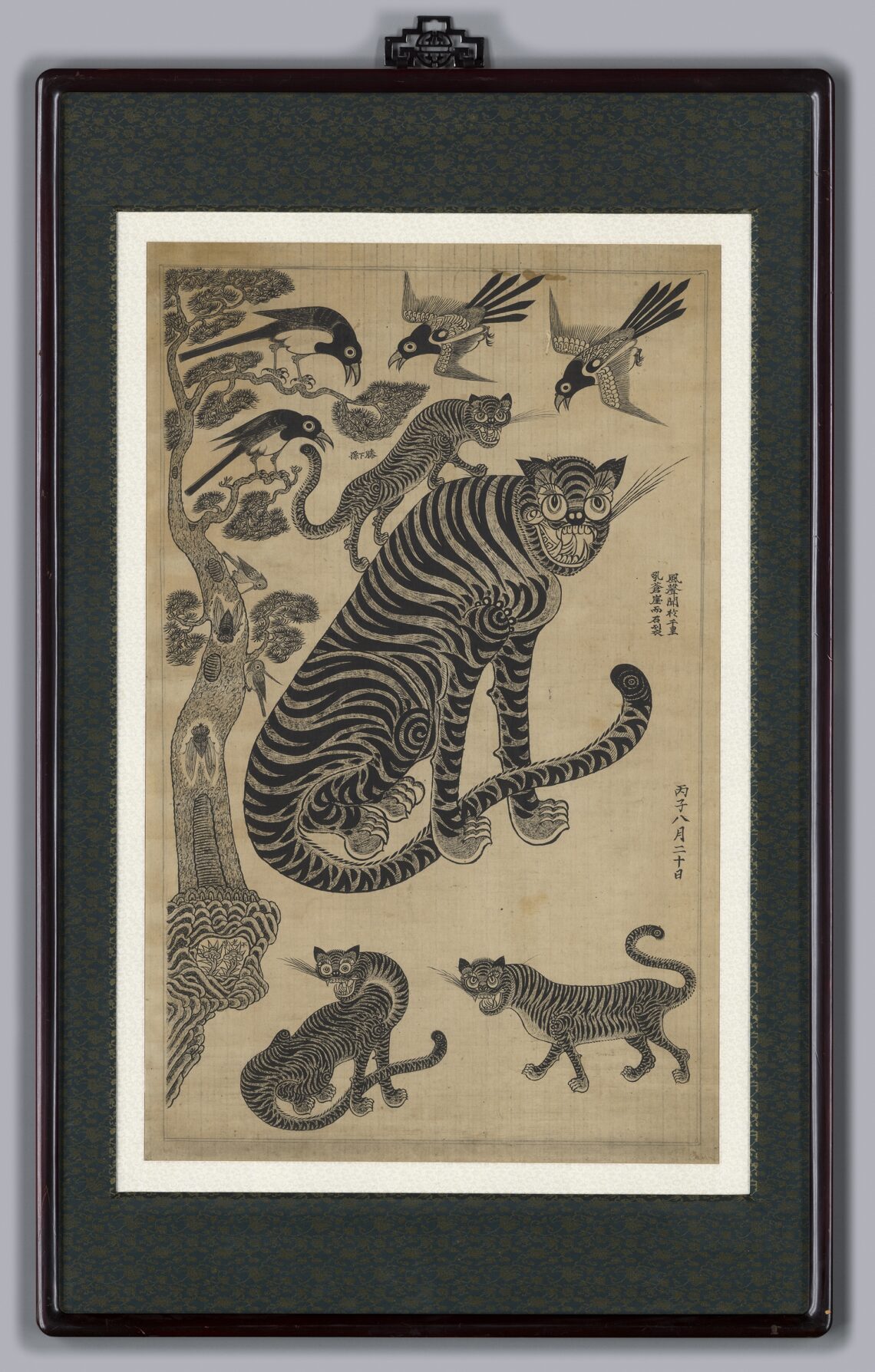
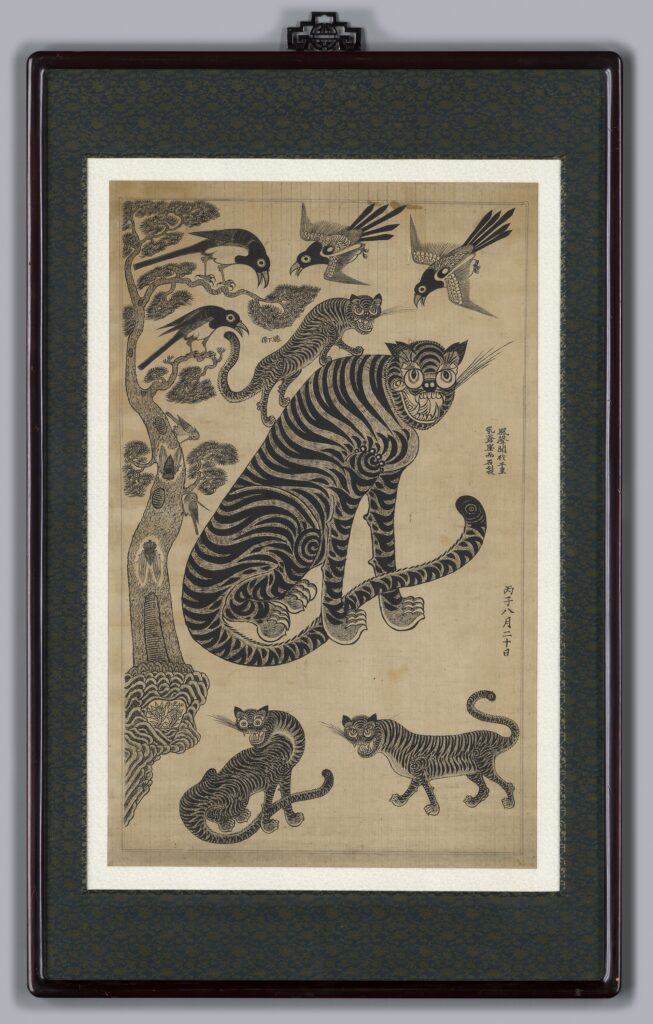
Hojakdo (호작도): Tigers and Magpies
Perhaps the most beloved korean folk painting genre, hojakdo paintings feature tigers and magpies among pine trees. But these aren’t the fearsome predators you might expect. Korean minhwa tigers are rendered with comical expressions—plump bellies, friendly faces, and occasionally goofy grins.
Symbolism:
- Tigers: Ward off evil spirits and bad luck while representing government power. During the Joseon Dynasty, hanging tiger paintings on gates during New Year’s Day was customary.
- Magpies: Bring good news and pleasant guests. Koreans believed chirping magpies announced incoming visitors.
- Pine trees: Represent longevity and steadfastness, remaining green through harsh winters
Hwajodo (화조도): Flowers and Birds
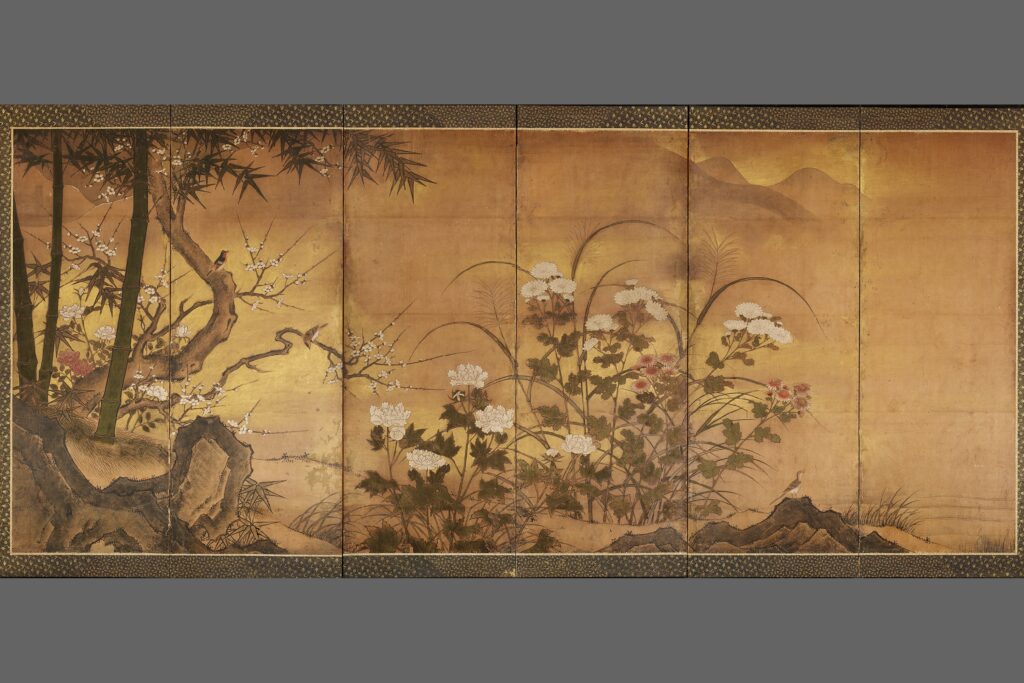
Hwajodo paintings feature harmonious compositions of birds and flowers, often depicting pairs with their offspring—a clear allegory for domestic happiness and family bonds.
Common Symbols:
- Peacocks: Represent advancement and career success
- Cranes: Symbolize wisdom, longevity, and filial piety. With their legendary long lifespans and elegant bearing, cranes appear in 34 instances in some famous sipjangsaengdo paintings
- Mandarin ducks and wild geese: Represent marital harmony and fidelity
- Lotus flowers: Symbolize purity and noble character, referencing Buddhist ideals
These korean folk paintings were particularly popular as wedding gifts, decorating newlyweds’ bedrooms with blessings for fertility and familial harmony.
Chaekgado (책가도): Scholar’s Bookshelves
Chaekgado paintings emerged in the late 18th century under the patronage of King Jeongjo, a bibliophile who promoted learning. These trompe-l’oeil paintings depicted bookshelves laden with scholarly objects, exotic luxuries, and symbolic items.
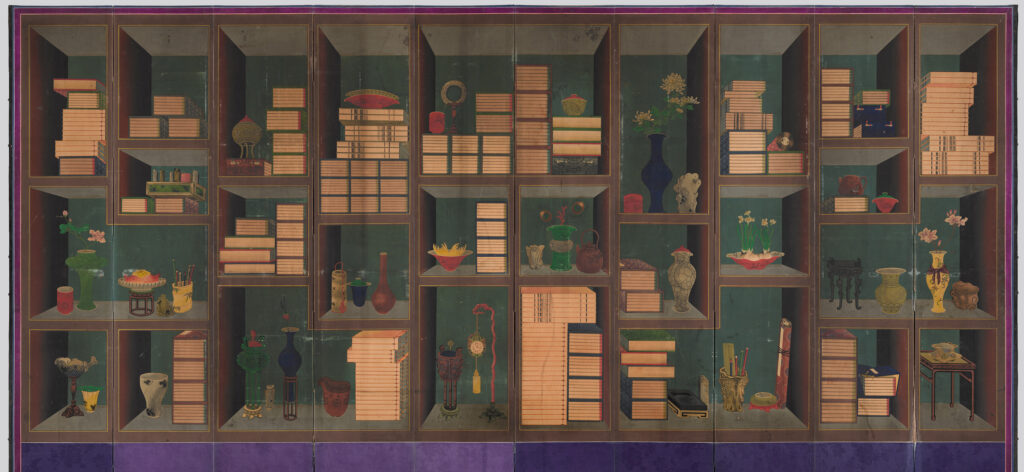
Key Symbolic Elements (In General)
Books: The primary motif representing knowledge, social distinction, and success in civil examinations
Coral: Exotic luxury items not indigenous to Korea, representing wealth and international connections
Peacock Feathers: Displayed in vases as decorative elements symbolizing beauty and advancement. The University of Michigan’s academic article notes pheasant feathers in Chinese-influenced chaekgado compositions
Peaches (복숭아): Connected to Chinese Daoist mythology, peaches represent immortality. Legend tells of Queen Mother of the West’s peach tree that blooms once every 3,000 years, producing fruit of eternal life
Rocks (viewing stones): Represent mountains and contain gi (life breath). Oddly shaped rocks were prized collectibles symbolizing the natural world’s wonder
Carp/Fish: Symbolize prosperity, fertility, and success—particularly passing civil service examinations. The Korea Times notes that fish imagery represents career advancement in scholarly contexts
Sipjangsaengdo (십장생도): Ten Symbols of Longevity
The most grand and royal of minhwa (korean folk painting) genres, sipjangsaengdo paintings depict ten natural elements symbolizing eternal youth and longevity. These screens were commissioned by kings for New Year celebrations, palace banquets, and significant anniversaries.
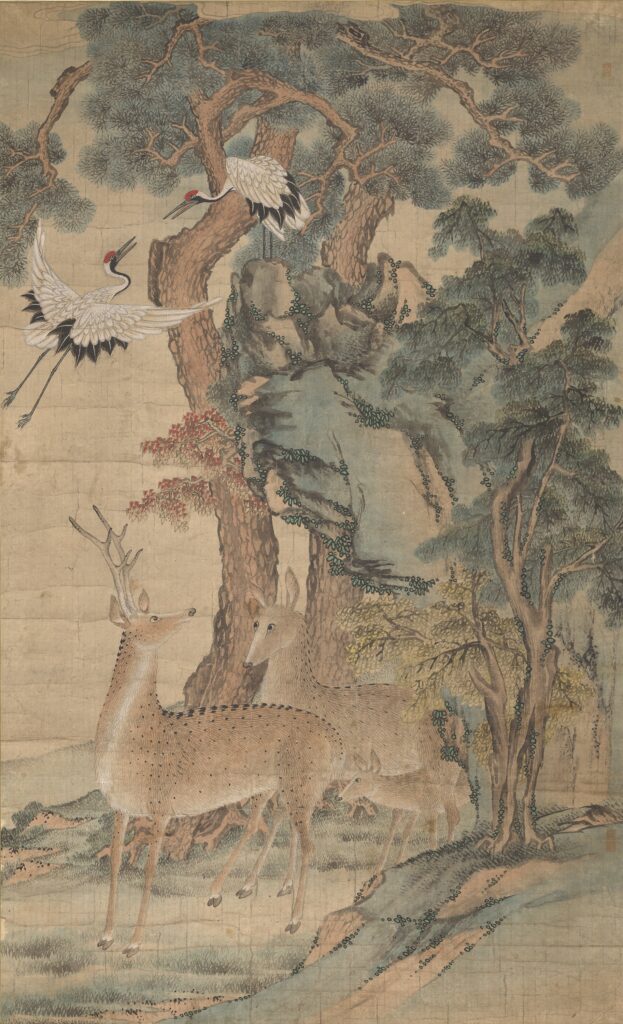
The Ten Symbols :
- Sun: Represents eternal life and divine power
- Mountains: Contain life-giving energy (gi)
- Water: Symbol of continuity and flow of life
- Rocks: Represent mountains’ permanence
- Pine Trees: Evergreen endurance through harsh conditions
- Clouds: Celestial realm and immortality
- Deer: Long-lived creatures of mountain forests
- Cranes: Legendary long lifespan and wisdom
- Turtles: Longevity due to their extended lifespans, messengers of water
- Peaches: Immortality fruit from Daoist mythology
- Bamboo and Mushrooms of Immortality (yeongji): Sometimes replace other symbols
Munjado (문자도): Character Paintings
Munjado represents a uniquely Korean innovation where Chinese characters for Confucian virtues become canvases for symbolic imagery.
According to the Museum of Korean Folk Art, these eight-panel screens depicted the foundational Confucian values: filial piety, brotherly love, loyalty, trust, propriety, righteousness, integrity, and sensibility.
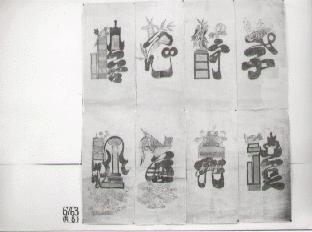
The Eight Confucian Virtues
- Hyo (孝) – Filial Piety: The highest virtue. Depicted with carp (devotion) and bamboo shoots. Stories of extreme filial devotion, including self-sacrifice, were celebrated
- Je (悌) – Brotherly Love: Symbolized by wagtail birds or doves sharing food, teaching fairness among siblings
- Chung (忠) – Loyalty: Depicted with fish transforming into dragons, representing dedication to king and country, success in civil service
- Shin (信) – Trust: Features geese as messengers, representing honesty and keeping promises
- Ye (禮) – Propriety: Symbols of decorum and proper conduct in all relationships
- Ui (義) – Righteousness: Tools of justice, tigers, or the mythical haechi (justice creature)
- Yeom (廉) – Integrity: Clean governance and moral uprightness
- Chi (恥) – Sense of Shame: Humility and self-reflection
According to Korea.net, munjado screens were commonly displayed in children’s rooms as didactic tools to inspire proper Confucian values.
Cultural Significance and Modern Revival
Minhwa, korean folk painting, experienced decline during Japanese colonial rule (1910-1945) and the Korean War, but underwent revival in the 1980s.
Today, it enjoys renewed popularity, partly due to hallyu (Korean Wave) and surprisingly, the Netflix animated film “KPop Demon Hunters” (2025), which features a blue tiger character based on traditional hojakdo imagery.
Understanding the Visual Language
The genius of minhwa lies in its accessibility.
Unlike elite paintings requiring scholarly knowledge to interpret, minhwa spoke to everyone through universally understood symbols. A merchant hoping for business success, a mother wishing for her child’s safety, a newlywed couple desiring fertility—all could find their aspirations visualized in these vibrant paintings.
As the Antiquealive website beautifully states, minhwa’s “strong lines, vivid colors, bold unconventional layouts, wit, humor, and optimistic spirit” combine to create not just art, but “the philosophy of art and the life force itself of Koreans”.
Painting Hope Into Being
Korean folk painting ‘minhwa’ represents more than decorative folk art—it embodies a profound belief in art’s power to shape reality. Each symbol, carefully chosen and skillfully rendered, transforms paint and paper into tangible expressions of hope, protection, and blessing.
Whether you encounter a comical tiger warding off misfortune, a carp swimming toward success, or a peach promising longevity, you’re witnessing centuries of cultural wisdom distilled into visual form.
In korean folk painting, beauty serves purpose, decoration carries meaning, and art becomes prayer.
These korean folk paintings remind us that art need not be solemn to be serious, simple to be profound, or accessible to be valuable. In the spirit of minhwa—true “paintings of the people”—we find art that speaks to our universal human desires: for long life, good fortune, protective forces, and above all, happiness.
:: Check out other posts ::
- Glass Hair: 3 K-Beauty Products for the Trend That Replaced Glass Skin (2026)
- The Complete Lady Dua Beauty Breakdown – 3 Lip Products, 1 Iconic Look
- Korea House Seoul: The Hidden Hanok Cafe Most Tourists in Subway line 3 Walk Right Past
- BLACKPINK × National Museum of Korea: The Collab That Changed K-Culture
- 13 Seoul R&B NAVY GLOW’s Seoul Night, Got Me In My Zone — A Trapsoul About Being a Foreigner


당신이 좋아할 만한
HeyPOP App Guide: How to Discover Seoul’s Best Pop-Up Stores in 2025
The Ancient Art of Korean Incense: A Journey Through History, Types, and Cultural Significance