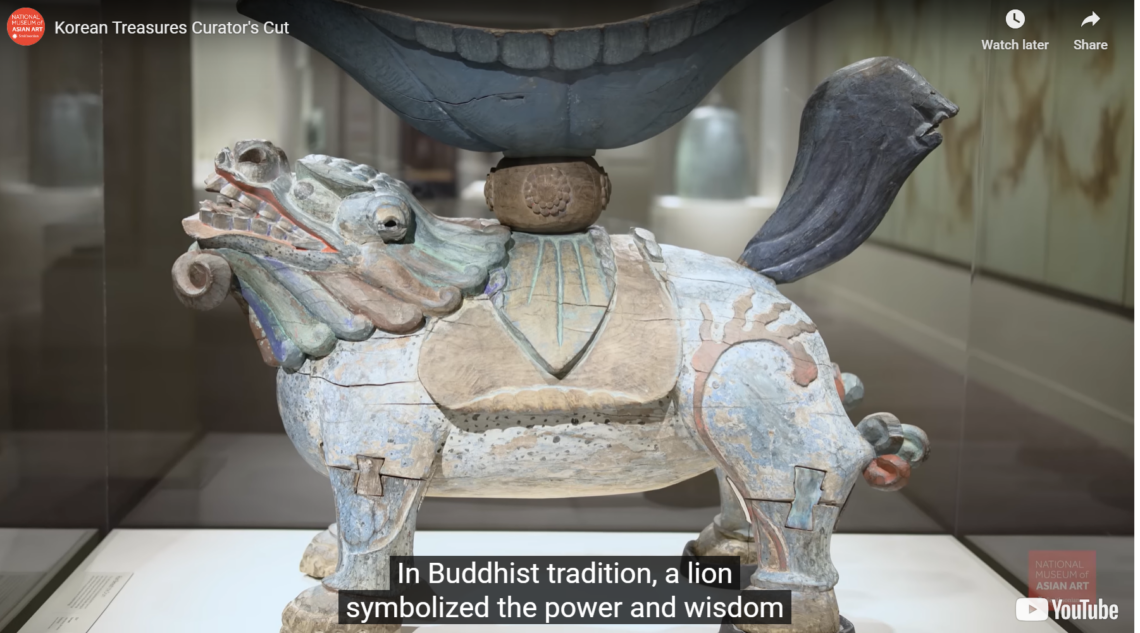
Korean Treasures 2026 Exhibition at the Smithsonian’s National Museum of Asian Art: Sold-Out Merchandise and Viral Photo Spots
Sometimes, the most memorable museum moments come from unexpected connections.
At the Smithsonian’s National Museum of Asian Art, centuries-old Korean masterpieces are creating modern buzz—from viral photo opportunities to merchandise waiting lists.
When Korean Treasures Becomes a Photo Hotspot
Among the over 200 masterpieces on display in “Korean Treasures: Collected, Cherished, Shared,” one piece has unexpectedly captured visitors’ attention. A traditional Buddhist drum stand called “beobgodae” has become the exhibition’s most popular photo spot after visitors noticed its carved features bear a charming resemblance to a beloved animated character, Duffy.
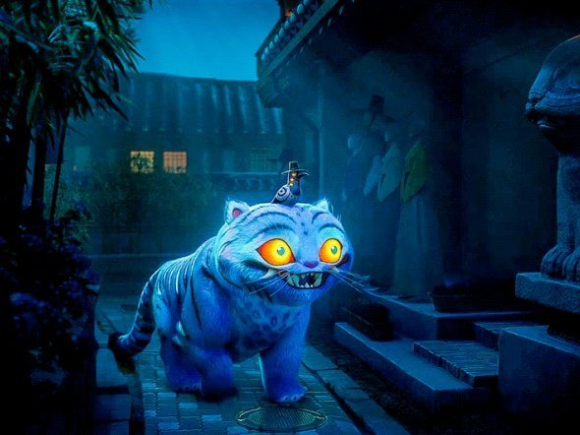
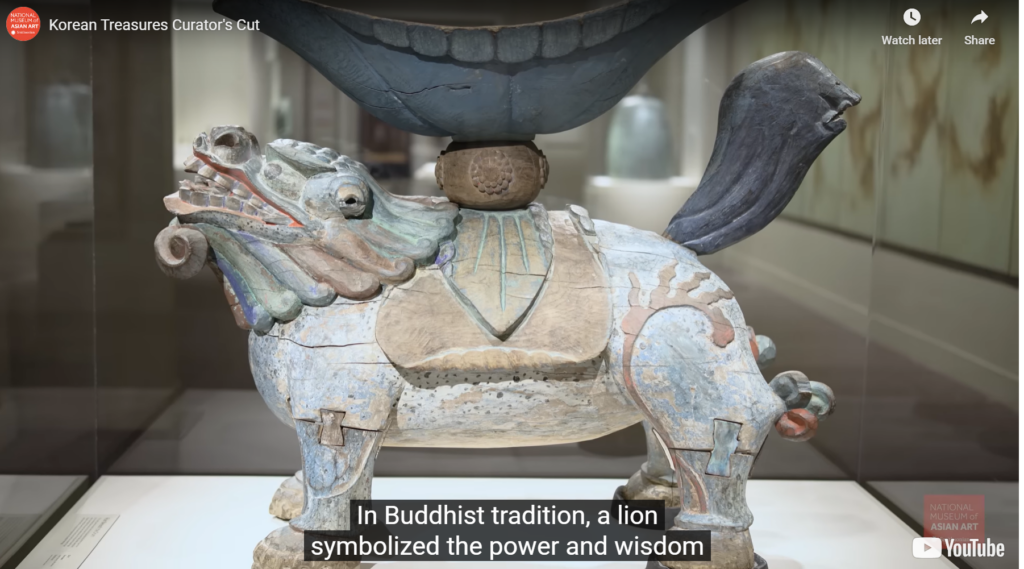
While this might seem like a frivolous observation, it actually demonstrates how audiences find personal entry points into historical art. The wooden stand, originally crafted to hold ceremonial drums in Buddhist temples during the Joseon dynasty, now serves as a bridge between traditional Korean craftsmanship and contemporary museum-goers seeking meaningful connections with the past.
Unprecedented Demand for Korean Treasures: When Museum Shops Can’t Keep Up
The enthusiasm for Korean art extends well beyond the galleries. The museum shop has experienced something museum staff rarely encounter: completely sold-out merchandise with waiting lists for restocks.
Two items in particular have proven impossible to keep in stock:
A replica of the “moon jar” (dal hangari) featured at the exhibition entrance sold out almost immediately. These white porcelain vessels, celebrated for their elegant simplicity and subtle asymmetry, were treasured by Joseon dynasty scholars and continue to captivate modern collectors.
A mood lamp featuring Jeong Seon’s National Treasure painting “Clearing After Rain on Mount Inwang” (Inwang Jesaekdo) from 1751 has been equally popular. This innovative merchandise bridges traditional Korean landscape painting with contemporary home décor, resonating so strongly with visitors that the museum created a purchase waiting list—an unusual step for exhibition merchandise.
The Collection of Korean Treasures Behind the Buzz
This remarkable public response highlights the significance of what’s actually on display. The exhibition presents masterworks from the Lee Kun-Hee Collection, donated to the Republic of Korea in 2021 by the family of the late Samsung Chairman. This gift of over 23,000 artworks represents one of the most significant cultural donations in Korean history, reflecting over 70 years of collecting by three generations: Samsung founder Lee Byung-Chull, Lee Kun-Hee, and his wife Hong Ra-Hee.
“Korean Treasures” marks the first time American audiences can experience highlights from this collection, with over 200 carefully selected works spanning 1,500 years of Korean artistic achievement.
What the Exhibition Offers
The show is organized thematically across ten galleries, exploring Korean art and culture through works originally created for royal palaces, Buddhist temples, Confucian academies, scholars’ studios, and modern art spaces.
Visitors encounter twelve pieces officially designated as National Treasures by the Korean government—objects deemed irreplaceable to Korea’s cultural heritage. Beyond the previously mentioned Mount Inwang landscape, highlights include the magnificent 19th-century “Sun, Moon, and Five Peaks” screen and Kim Hongdo’s “Sound of Autumn.”
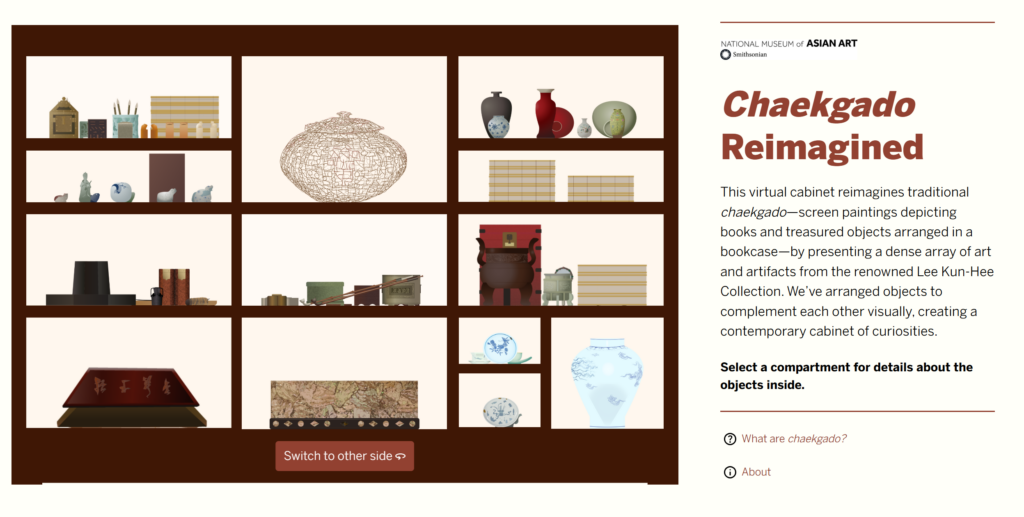
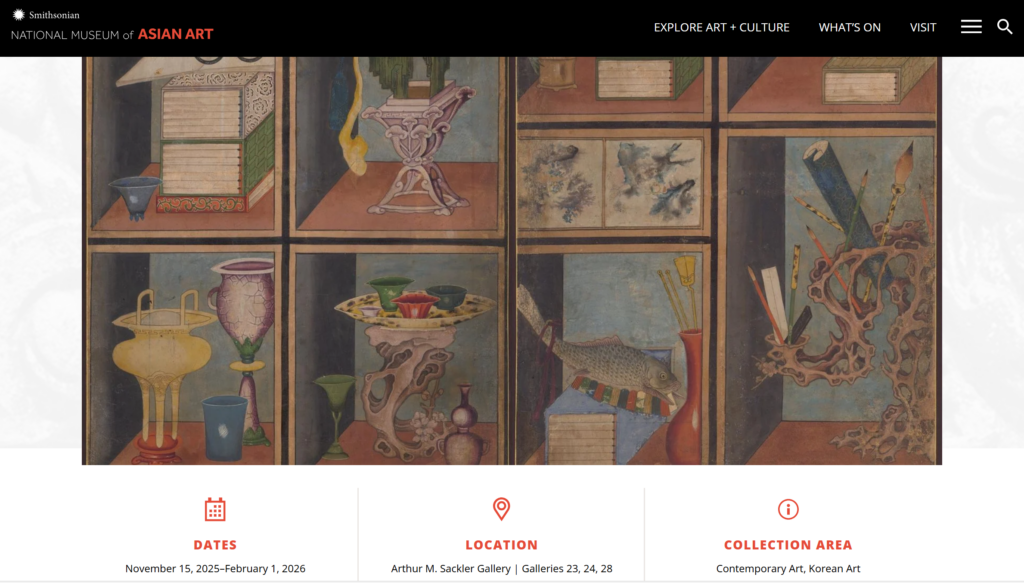
The exhibition design draws inspiration from chaekgado—traditional screen paintings depicting books and treasured objects arranged on bookshelves.
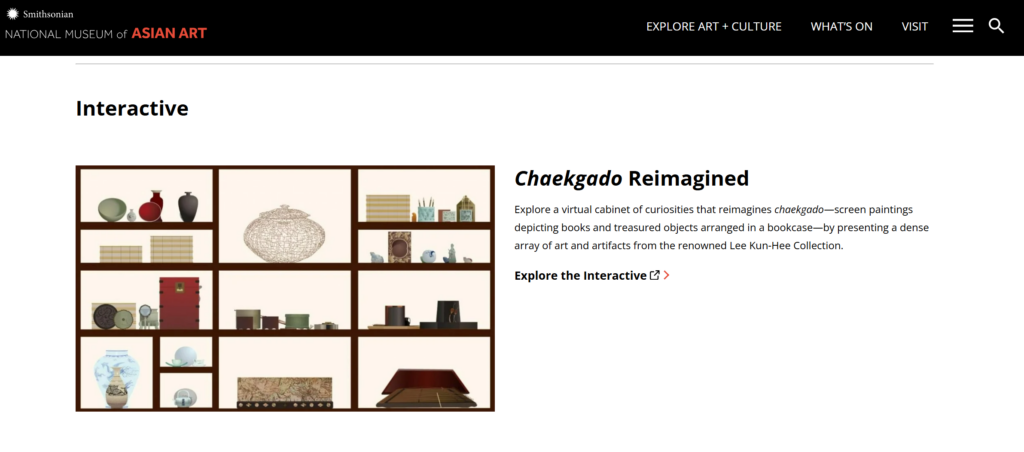
This concept appears in both the opening and closing galleries, inviting reflection on why we collect, preserve, and share cultural objects across generations.
The Human Dimension
One of the exhibition’s distinctive features is how it presents voices from the past. Through preserved letters, inscriptions, and dedications on the artworks themselves, visitors encounter the passions and perspectives of the artists, collectors, and patrons who created and cherished these objects. These personal touches transform the gallery experience from observing artifacts to connecting with individuals across centuries.
Broader Shifts in How Museums Engage Audiences
The sold-out merchandise and viral photo moments aren’t merely entertaining anecdotes—they’re evidence that Korean historical art resonates powerfully with contemporary audiences.
For those already engaged with Korean culture through K-pop, Korean cinema, and K-dramas, this exhibition provides context for understanding the deep artistic traditions underlying today’s creative excellence.
The phenomenon also reflects broader shifts in how museums engage audiences. When visitors form personal connections—whether through unexpected visual associations, beautifully designed merchandise, or simply encountering objects that speak across time—historical art remains vibrantly relevant.
Practical Details
“Korean Treasures: Collected, Cherished, Shared” continues through February 1, 2026, at the Smithsonian’s National Museum of Asian Art in Washington, D.C.
Following its Washington premiere, the exhibition travels to the Art Institute of Chicago, where it will be on view March 7 through July 5, 2026, before continuing to London. Each venue features a unique curatorial approach with different selections from the Lee Kun-Hee Collection.
The exhibition is co-organized by the Smithsonian’s National Museum of Asian Art, the Art Institute of Chicago, the National Museum of Korea, and the National Museum of Modern and Contemporary Art, Korea. It’s made possible through the National Museum of Korea’s Overseas Korean Galleries Support Program, with Samsung as Presenting Corporate Sponsor and additional support from the Blakemore Foundation.
For those hoping to purchase the popular moon jar replica or Mount Inwang mood lamp, contacting the museum shop about restock dates is recommended, as current demand significantly exceeds supply.
The Larger Significance
This exhibition represents more than a temporary display—it’s a case study in cultural stewardship and international collaboration. The Lee family’s decision to transform their private collection into public heritage echoes the founding principles of the Smithsonian itself, which began with James Smithson’s bequest to the American people.
Whether you’re drawn by viral social media posts, seeking that sold-out merchandise, or simply curious about Korean artistic traditions, this exhibition offers an accessible and engaging introduction to fifteen centuries of creative achievement—proof that historical art continues to inspire, delight, and connect people across time and culture.
:: Check out other posts ::
- Glass Hair: 3 K-Beauty Products for the Trend That Replaced Glass Skin (2026)
- The Complete Lady Dua Beauty Breakdown – 3 Lip Products, 1 Iconic Look
- Korea House Seoul: The Hidden Hanok Cafe Most Tourists in Subway line 3 Walk Right Past
- BLACKPINK × National Museum of Korea: The Collab That Changed K-Culture
- 13 Seoul R&B NAVY GLOW’s Seoul Night, Got Me In My Zone — A Trapsoul About Being a Foreigner

당신이 좋아할 만한

Korean Business Etiquette for International Professionals: Essential Guide to Success

DDP Design Store Seoul: 3 Things to Buy & How to Get There
