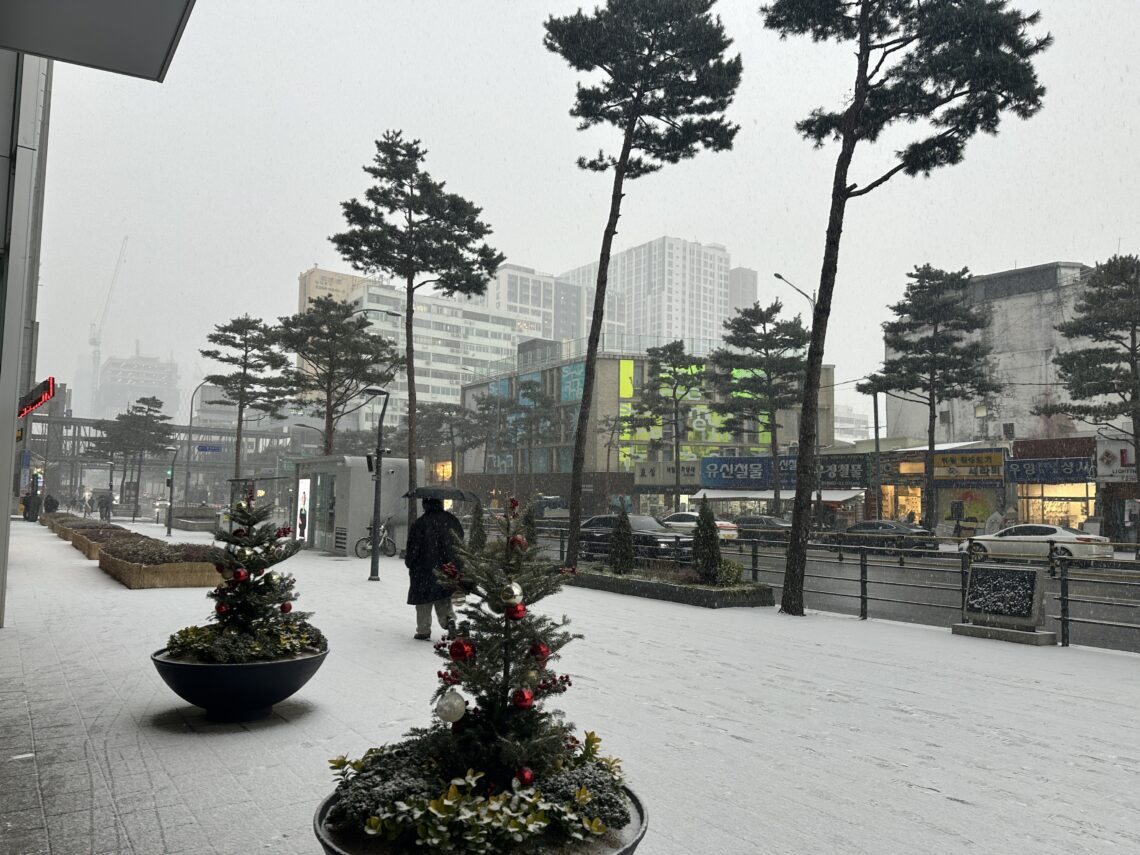
Seoul Bus Strike | How to Stay Informed – 7 Checklist for Expats and Foreign Residents
How to Stay Informed During Seoul Bus Strike – Essential Guide for Expats and Foreign Residents
I was driving to work on January 13th when I passed a bus stop where a foreign student was waiting, checking their phone repeatedly.
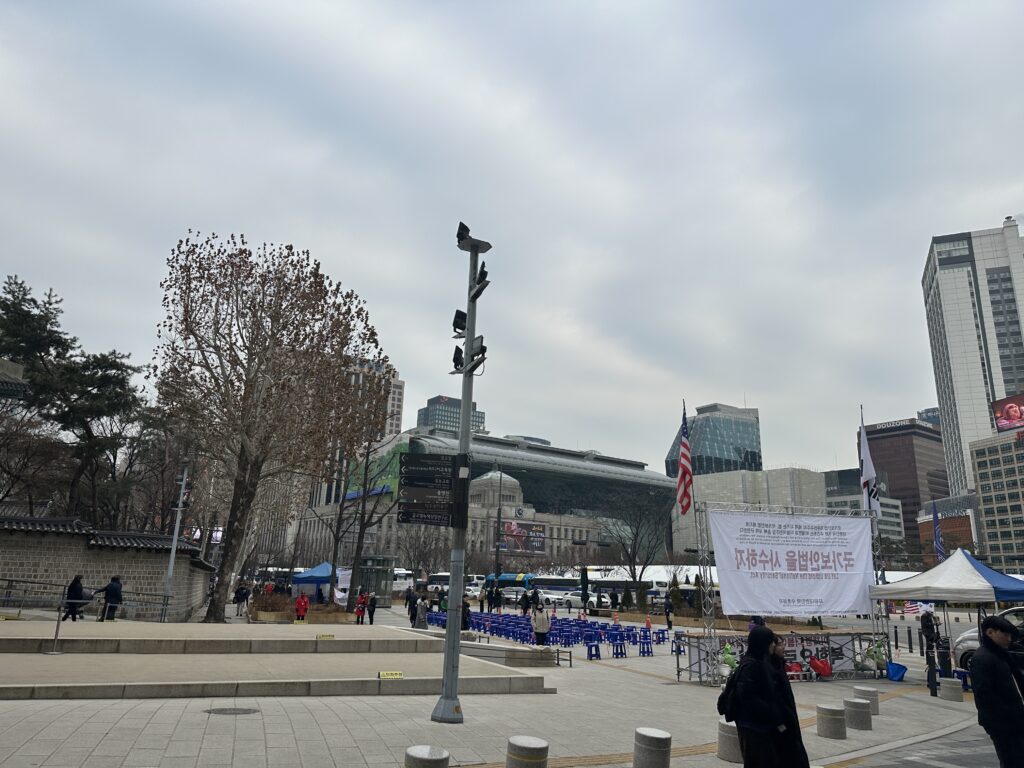
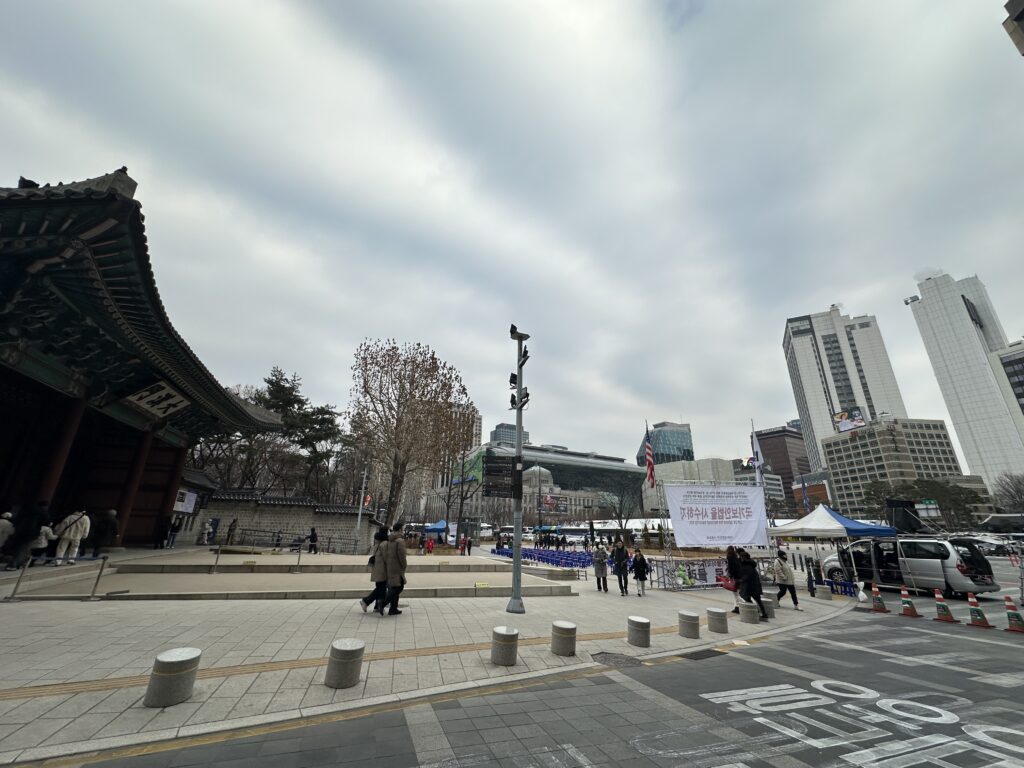
The buses had been on strike since 4 AM, but they clearly didn’t know. I couldn’t stop to tell them, and that bothered me.
Later I read that many foreigners experienced the same thing that morning—standing at bus stops, unaware that 93% of Seoul’s buses had stopped running.
The information was everywhere in Korean media, but if you don’t follow Korean news, you simply wouldn’t know. This is a practical guide so it doesn’t happen to you next time.
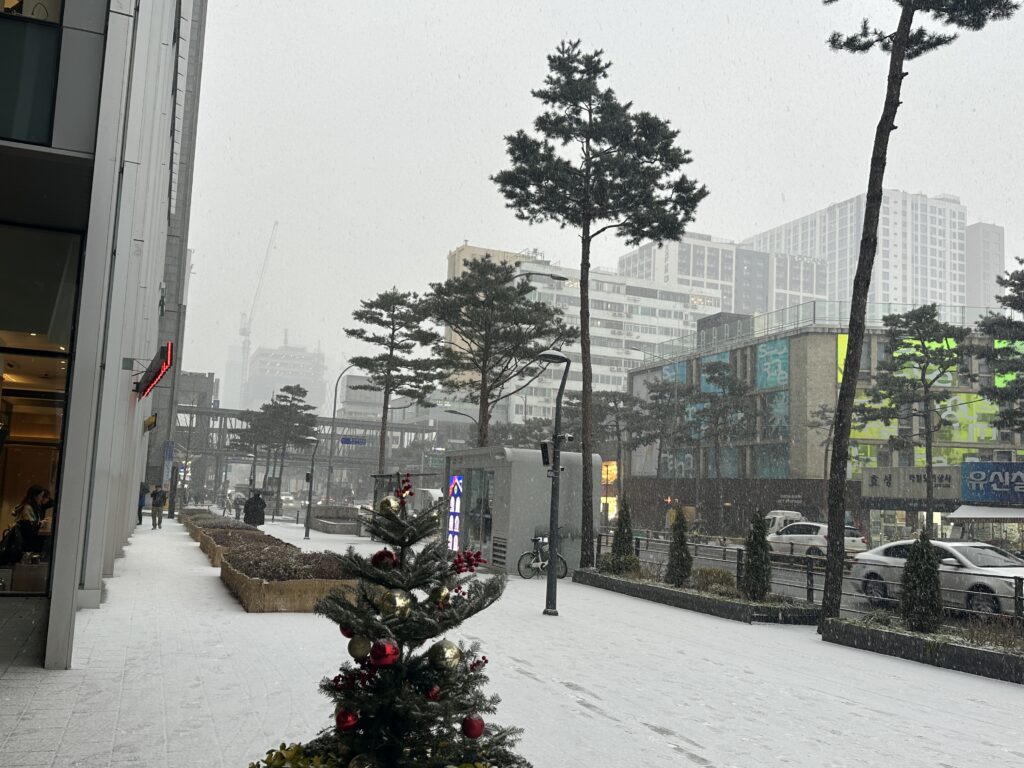
If you’re a foreigner living in Seoul, you might have been caught off-guard by the recent city bus strike that left thousands stranded at bus stops on January 13-14, 2026.
International students and expats reported confusion after waiting at stops, unaware that nearly 7,000 buses had stopped running. One university student waited 43 minutes in the cold before realizing buses weren’t coming.
This experience highlights a critical challenge: language barriers and lack of access to Korean-language news can leave foreign residents in the dark during emergencies. Here’s how to stay prepared and informed.
Why Foreign Residents Struggle During Seoul Bus Strike
Transportation strikes in Korea are often announced through Korean media outlets, government websites, and local news apps. If you don’t regularly check Korean news or follow local social media, you might miss crucial announcements.
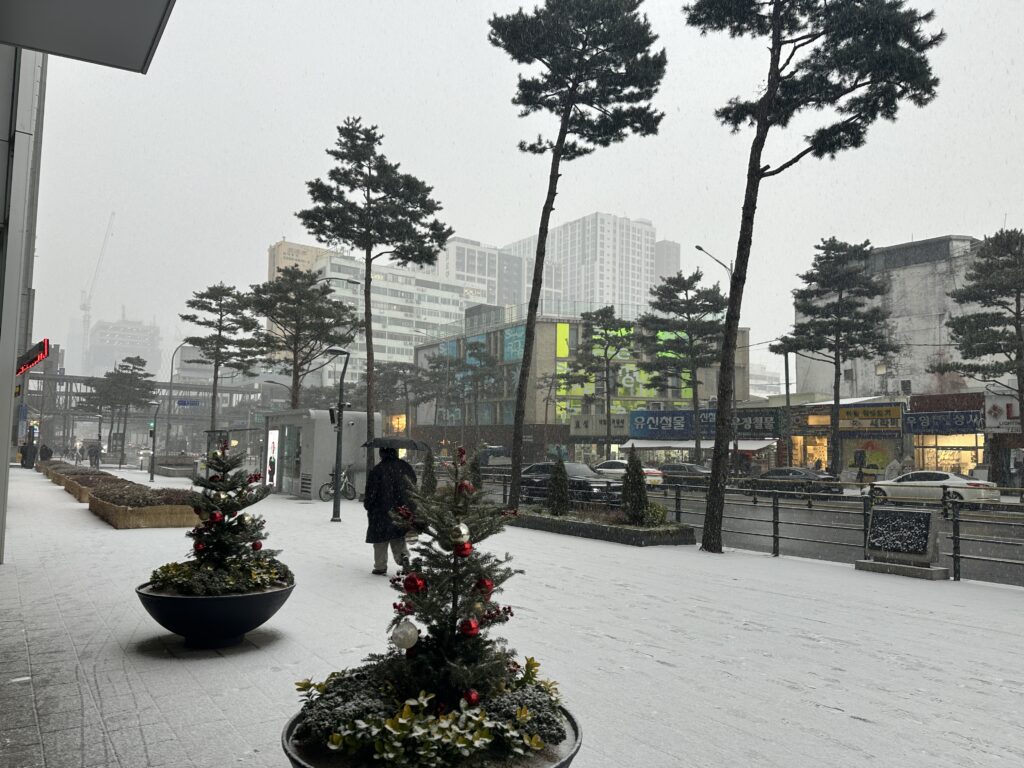
During the January 2026 strike, many foreigners only discovered the disruption after arriving at bus stops and seeing unusually long wait times on their transit apps.
Essential Apps and Resources to Download NOW
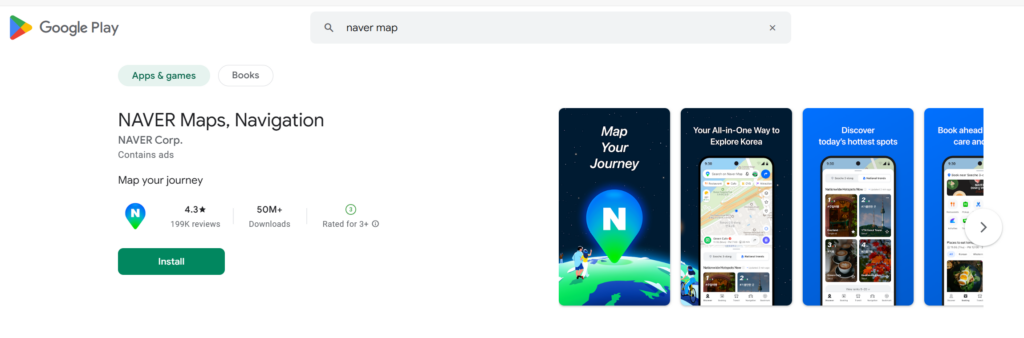
1. KakaoMetro or Naver Map
These apps provide real-time transit updates in English and Korean. During strikes, they’ll show service disruptions and suggest alternative routes.
네이버지도 – 장소의 발견과 예약, 내비게이션 앱 – App Store
2. Emergency Ready App
Korea’s official emergency notification app sends alerts about disasters, strikes, and public safety issues with English options.

Emergency Ready App – Seoul Metropolitan Government
3. Join Expat Facebook Groups
Groups like “Seoul Expat Community” or “Foreigners in Korea” often share breaking news faster than official channels. Members post real-time updates during emergencies.
How to Get Seoul Bus Strike Information in English
Official Sources:
- The Korea Herald (www.koreaherald.com) – English-language newspaper covering major strikes
- Seoul Metropolitan Government English Website (english.seoul.go.kr)
- Seoul Global Center (global.seoul.go.kr) – Dedicated foreigner support with multilingual services
- 120 Dasan Call Center – Seoul’s municipal hotline offers English support (dial 120, press 9 for English)
Social Media Monitoring:
- Follow @Seoul_Photo on Twitter/X for city updates
- Check Reddit’s r/Living_in_Korea community
- Monitor KakaoTalk open chatrooms for expats in your area
What to Do If You’re Caught in Seoul Bus Strike
Immediate Actions:
- Don’t wait indefinitely – If your bus app shows unusually long wait times (30+ minutes), check news immediately
- Head to the nearest subway station – Seoul’s subway system rarely strikes and becomes the primary alternative
- Use official shuttle buses – The city deploys free emergency shuttles to major stations during strikes
- Consider taxi apps – But expect surge pricing and long wait times
Long-Term Preparation:
- Save offline copies of subway maps on your phone
- Learn multiple routes to your workplace/school
- Keep a portable phone charger – you’ll need it for navigation
- Know the Korean phrases: “파업” (pa-eop = strike), “버스 운행 중단” (bus service suspended)
Understanding Seoul Bus Strike Patterns
Korean labor strikes typically occur:
- During annual wage negotiations (usually spring/fall)
- After failed collective bargaining agreements
- Most unions provide 24-48 hours notice
Key tip: Strikes are more likely during exam seasons or major holidays when public pressure is highest for quick resolution.
Your Seoul Bus Strike Survival Checklist
✅ Subscribe to English-language Korean news alerts
✅ Join local expat community groups
✅ Download essential transportation and emergency apps
✅ Save 120 Dasan Call Center in your contacts (with extension 9 for English)
✅ Learn basic Korean transit vocabulary
✅ Familiarize yourself with subway routes as backup
✅ Follow Seoul Metropolitan Government on social media
Don’t Let Language Barriers Leave You Stranded
The January 2026 bus strike ended after two days, but it won’t be the last. Korea experiences periodic transportation strikes, and being prepared means you won’t be the person waiting 43 minutes in the cold at an empty bus stop.
Stay connected, stay informed, and bookmark the resources mentioned above. Your commute—and your sanity—will thank you.
Have you experienced Seoul Bus Strike? Share your tips in the comments below!
:: Check out other posts ::
- Glass Hair: 3 K-Beauty Products for the Trend That Replaced Glass Skin (2026)
- The Complete Lady Dua Beauty Breakdown – 3 Lip Products, 1 Iconic Look
- Korea House Seoul: The Hidden Hanok Cafe Most Tourists in Subway line 3 Walk Right Past
- BLACKPINK × National Museum of Korea: The Collab That Changed K-Culture
- 13 Seoul R&B NAVY GLOW’s Seoul Night, Got Me In My Zone — A Trapsoul About Being a Foreigner


당신이 좋아할 만한

BLACKPINK × National Museum of Korea: The Collab That Changed K-Culture
Korean Treasures 2026 Exhibition at the Smithsonian’s National Museum of Asian Art: Sold-Out Merchandise and Viral Photo Spots