The Ancient Art of Korean Incense: A Journey Through History, Types, and Cultural Significance
Long before K-beauty entered global skincare trends, Korea had already mastered another sensory art: the cultivation and appreciation of fine incense. For over 1,500 years, aromatic resins and woods have played a central role in Korean spirituality, royalty, and daily life—creating olfactory traditions as refined as any perfume house in Grasse.
While Korean incense culture remains lesser-known in the West compared to Japanese kōdō, it offers an equally fascinating glimpse into how scent shaped social rituals, religious practices, and artistic expression throughout Korean history.
The Historical Timeline of Korean Incense
Goguryeo Kingdom (37 BCE – 668 CE): The Earliest Evidence
The oldest visual record of incense use in Korea comes from the Ssangyeongchong tomb murals, dating to the late 5th century. These stunning frescoes depict a young woman carrying an incense burner on her head, with three streams of fragrant smoke rising skyward. The burner itself is ornate—a round, bell-shaped vessel atop an elongated stem and broad base.
This archaeological evidence confirms that by the Three Kingdoms period, incense had become integrated into Korean ceremonial life, likely influenced by the spread of Buddhism from China and India.
Goryeo Dynasty (918–1392): The Golden Age of Korean Incense
The Goryeo period marked the pinnacle of Korean incense culture. According to historical records from Xu Jing’s “Illustrated Account of Goryeo” (1123), the royal court employed a sophisticated palette of imported aromatics:
- Sahyang (麝香) – Musk from musk deer
- Chimhyang (沈香) – Agarwood (Aquilaria)
- Yongnoehyang (龍腦香) – Borneol camphor
- Jeondanhyang (栴檀香) – Sandalwood
- Doknuhyang (篤耨香) – Frankincense varieties
These precious materials arrived via the Silk Road and maritime trade routes with Song China and beyond. Goryeo aristocrats burned incense in celadon censers—some of the most beautiful ceramic works in world history—demonstrating how deeply scent intertwined with Korean artistic expression.
Joseon Dynasty (1392–1897): Confucian Refinement
While the Joseon dynasty emphasized Confucian values over Buddhism, incense remained essential to:
- Ancestral rites (jesa): Burning incense honored deceased family members
- Scholarly retreats: Literati burned incense while reading or painting
- Royal ceremonies: Court rituals required specific incense protocols
Joseon scholars valued incense as a mark of cultivation and refinement. The practice of fragrance appreciation became associated with intellectual and moral elevation—similar to the Chinese literati tradition.
Traditional Korean Incense Materials
Korean incense culture relied primarily on imported aromatics from Southeast Asia, China, and India, though some local materials were also utilized.
Premium Imported Aromatics
Chimhyang (Agarwood/Oud)
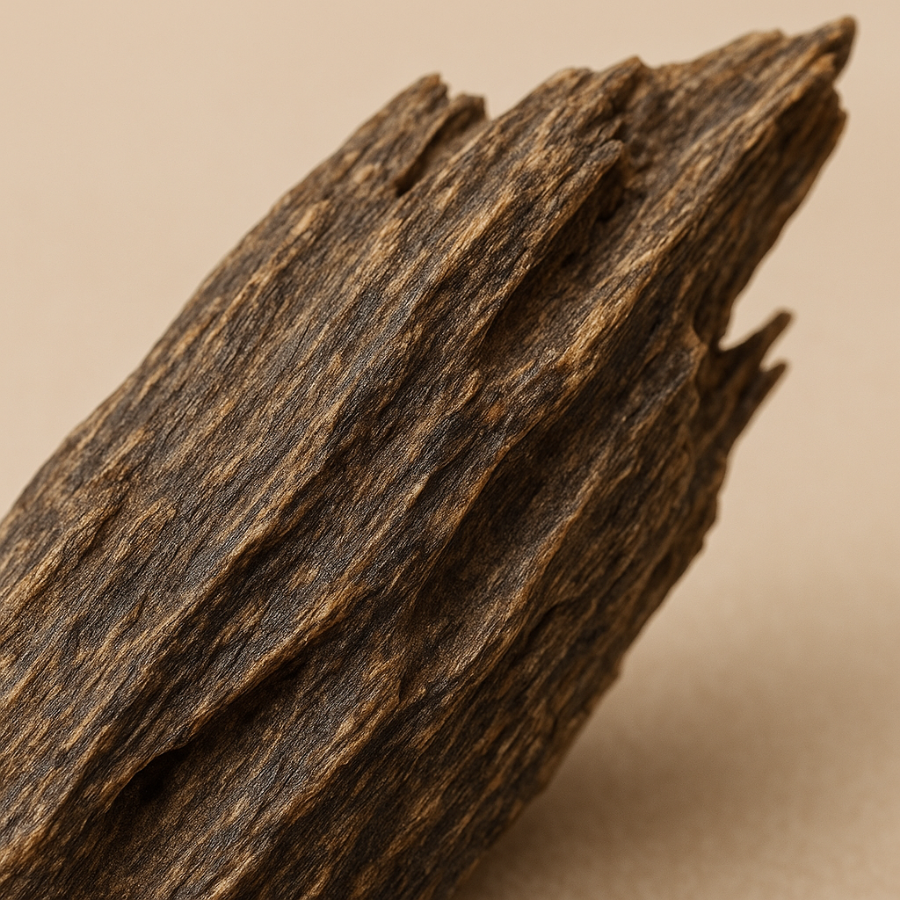
The most prized incense material in Korean history. Agarwood forms when Aquilaria trees become infected with specific mold, producing dark, resinous wood so dense it sinks in water. The scent profile is complex: woody, resinous, slightly sweet with animalic undertones. Kings and high-ranking monks reserved the finest grades for the most sacred occasions.
Jeondanhyang (Sandalwood) Referenced even in Korean creation mythology (the Dangun legend mentions sandalwood), this creamy, smooth wood was favored for both Buddhist and Confucian rituals. Its calming, meditative quality made it ideal for temples and study rooms.
Ansikyang (Benzoin) This sweet, vanilla-like resin from Styrax trees was documented in Korea as early as 1079 CE. Its warm, balsamic character made it popular for funeral ceremonies and cold weather burning.
Sahyang (Musk) Used in personal incense sachets (hyangnang) worn by nobles, musk provided a warm, animalic base note. Couples would burn it in bedchambers, and its sensual reputation made it a symbol of intimacy and luxury.
Local and Regional Materials
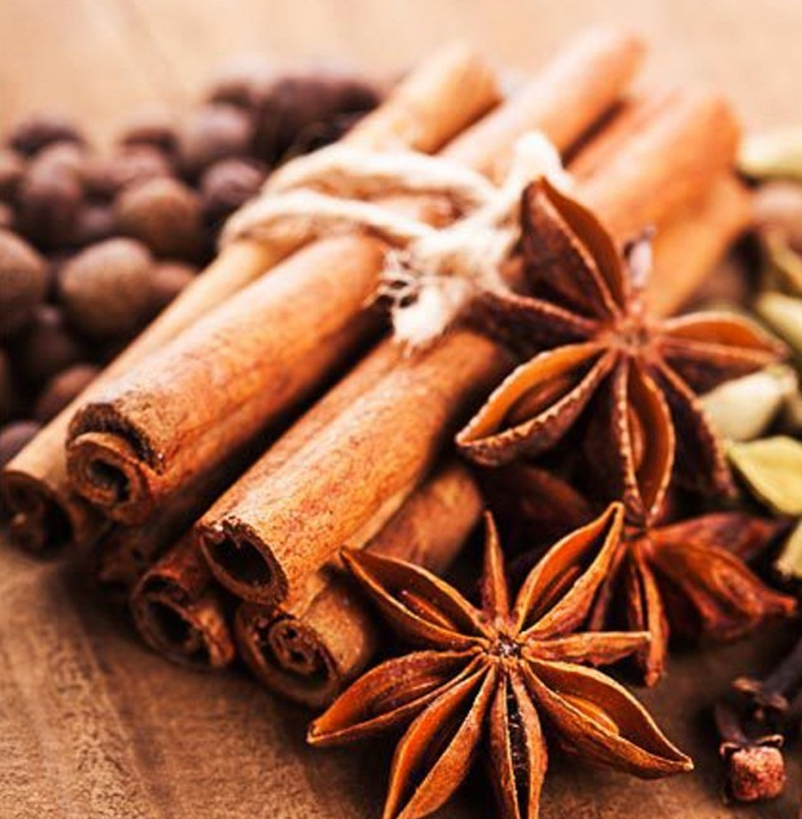
Cinnamon Bark (Gyepi) Korea’s proximity to cassia cinnamon sources made this a more accessible aromatic. Its warm, spicy sweetness complemented heavier resins.
Juniper (Hyangnamu) Native Korean juniper and related cypress species provided local wood for incense. While less precious than agarwood, juniper offered a clean, fresh aroma for everyday temple use.
Mugwort (Ssuk) Used in moxibustion and folk medicine, dried mugwort created a distinctly herbaceous smoke used in shamanic and healing contexts.
Types and Forms of Korean Incense
Incense Sticks (Hyangnyo)
The most common form for Buddhist temples, these hand-rolled sticks combined powdered aromatics with a binding agent, then dried on bamboo cores.
Incense Coils (Hwanhyang)
Spiral-shaped incense that could burn for hours, used in temples for continuous offerings or to mark time during meditation.
Incense Powders (Malryang)
Loose powder burned on charcoal or heated mica plates, allowing precise blending of multiple aromatics. Preferred by scholars who enjoyed customizing their scent environment.
Incense Sachets (Hyangnang)
Small silk pouches filled with fragrant materials, worn on clothing or placed among stored garments. These personal incense items indicated social status and sophistication.
Incense Balls (Hyanggu)
Spherical vessels with perforations, filled with smoldering aromatics. These portable censers allowed users to carry fragrance with them.
Uses and Cultural Significance
Religious and Spiritual Purposes
Buddhist Temples Incense forms one of the key offerings in Korean Buddhism, symbolizing:
- The transmission of prayers to enlightened beings
- Purification of the ritual space
- Mindfulness and presence during meditation
- Respect and devotion
Major temple ceremonies might use dozens of incense sticks simultaneously, creating billowing clouds of fragrant smoke.
Note: The video is in Korean. To watch with English subtitles:
Click the “Settings” (gear icon) at the bottom right of the video → Select “Subtitles/CC”→ Choose “Auto-translate”→ Select “English” (or your preferred language)
Confucian Ancestral Rites Burning incense at family shrines connected the living with deceased relatives. The rising smoke represented communication between earthly and spiritual realms. Specific protocols governed which incense to burn for different ranks of ancestors.
Shamanic Practices Korean mudang (shamans) used aromatic smoke for purification and spirit communication, often preferring local herbs and woods over expensive imports.
Social and Cultural Functions
Mark of Refinement In Joseon dynasty, the ability to identify and appreciate fine incense marked someone as cultured. Scholars would spend hours in their study burning agarwood while composing poetry or practicing calligraphy.
Timekeeping Before mechanical clocks became widespread, incense coils and sticks helped mark the passage of time, especially during meditation or study sessions.
Perfuming Space and Clothing Aristocrats used incense to scent their homes and garments. The lingering fragrance on clothing indicated wealth and taste.
Medical and Wellness Traditional Korean medicine incorporated aromatic smoke for treating respiratory issues, mental clarity, and spiritual wellbeing. The overlap between medicine and spirituality meant incense served both physical and metaphysical healing purposes.
The Modern Revival
After declining during the 20th century, Korean incense culture is experiencing a renaissance. Contemporary Korean perfumers and artists are:
- Reviving traditional blending techniques
- Creating modern interpretations of historical formulas
- Establishing incense meditation workshops
- Incorporating Korean aromatics into luxury fragrance lines
https://www.museumshop.or.kr/kor/main.do
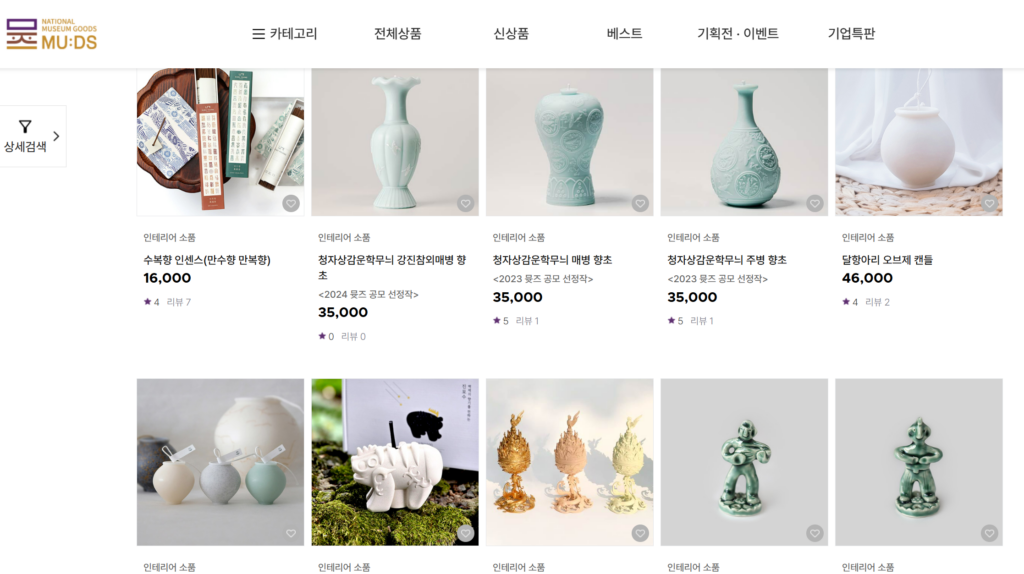
Museums now showcase historical incense burners alongside contemporary installations, and temple stay programs introduce international visitors to Korean incense traditions.
Whether you’re a fragrance enthusiast, history buff, or spiritual seeker, exploring Korean incense traditions offers a unique window into how scent shapes culture, ritual, and daily life.
:: Check out other posts ::
- Glass Hair: 3 K-Beauty Products for the Trend That Replaced Glass Skin (2026)
- The Complete Lady Dua Beauty Breakdown – 3 Lip Products, 1 Iconic Look
- Korea House Seoul: The Hidden Hanok Cafe Most Tourists in Subway line 3 Walk Right Past
- BLACKPINK × National Museum of Korea: The Collab That Changed K-Culture
- 13 Seoul R&B NAVY GLOW’s Seoul Night, Got Me In My Zone — A Trapsoul About Being a Foreigner

당신이 좋아할 만한

Korean Business Etiquette for International Professionals: Essential Guide to Success

5 Genre of Korean Folk Painting ‘Minhwa’ – The Hidden Symbolism