7 Guide to Recycling in Seoul: Everything Expats Need to Know in 2026
7 Guide to Recycling in Seoul: Everything Expats Need to Know in 2026
Seoul has one of the world’s most comprehensive waste management systems. While it may seem complex at first, understanding the rules will help you avoid fines and integrate smoothly into your community. This guide provides accurate, verified information about recycling in Seoul for 2026.

Understanding Korea’s Volume-Based Waste Fee System (Jongnyangje)
Korea’s waste system is based on Jongnyangje (종량제), which requires residents to purchase government-approved trash bags. The more waste you generate, the more you pay. This system encourages waste reduction and proper recycling.
The Five Main Waste Categories (Recycling in Seoul)
1. General Waste (일반 쓰레기)
What goes in: Used tissues, sanitary products, coffee grounds, eggshells, bones (all types), contaminated plastics, non-recyclable packaging
Bags required: District-specific official bags (usually white, pink, or blue)
- Common sizes: 5L, 10L, 20L, 50L
- Price example: 20L bag costs ₩490 (prices vary by district)
Important: Since 2016, within Seoul, you can use waste bags from one district in another Seoul district. However, Seoul bags cannot be used in other cities like Incheon, Busan, or Suwon.
2. Food Waste (음식물 쓰레기)
What goes in: Follow the rule: “If an animal would eat it, it’s food waste”
- Fruit and vegetable peels
- Cooked or uncooked meat (without bones)
- Grains and leftovers
- Spoiled food
- Eggs without shells
What does NOT go in food waste: Eggshells, all bones (beef, pork, chicken), shells (crab, lobster, shrimp, clams), hard seed shells (walnut, peach pits), corn husks, onion/garlic skins, tea bags, fish bones
Additional exclusions (2025 update): Since 2025, high-salt items like gochujang (chili paste), doenjang (soybean paste), pickled foods, and kimchi must be rinsed to remove salt before disposal, or they go in general waste
Bags required: Yellow(or Pink, etc. it varies) food waste bags
- Sizes: 1L, 2L, 3L, 5L
- Price: Approximately ₩190 for a 2L bag (varies by district)
RFID Systems: Many Seoul apartments use RFID-based food waste bins that scan your resident card and charge by weight. Contact your building manager to obtain your access card.
3. Recyclables (재활용 쓰레기)
No special bags needed — use transparent bags or place items directly in designated bins.
Categories:
- Paper: Newspapers, cardboard (flatten boxes, remove all tape and labels)
- Glass: Rinse bottles, separate by color if required
- Cans/Metal: Rinse thoroughly, pierce butane cans when empty
- Plastic Containers: Rinse yogurt cups, shampoo bottles, remove labels
- Vinyl/Soft Plastics: Chip bags, ramen wrappers, plastic shopping bags (must be clean and dry)
- Styrofoam: Clean packaging foam only
- PET Bottles: Since 2021, clear PET bottles must be separated — remove labels, crush flat, replace cap
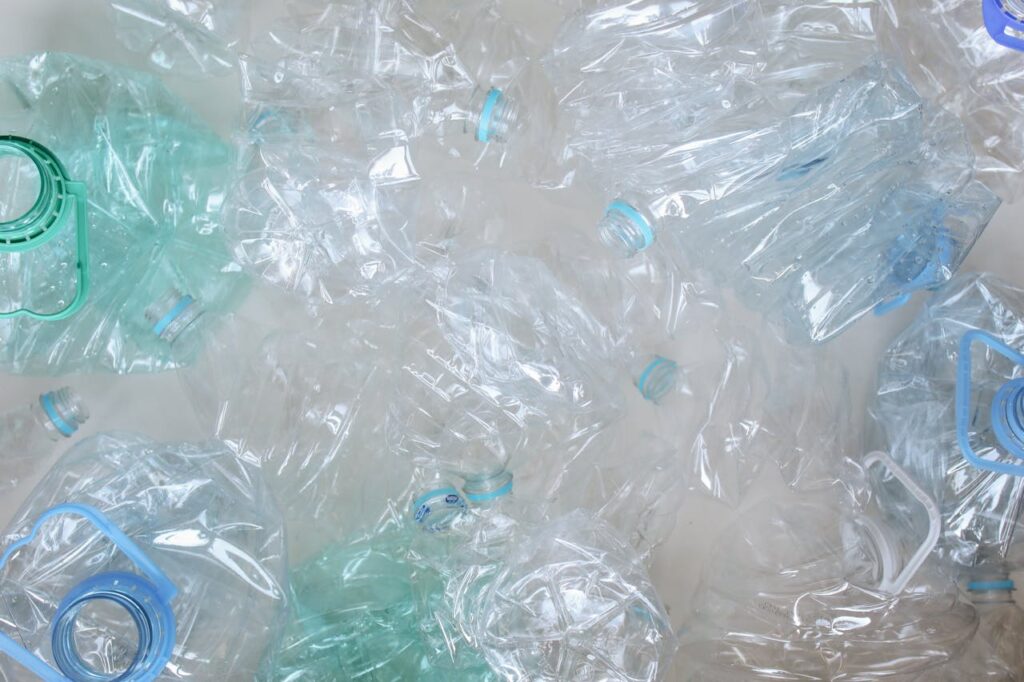
Critical rule: All recyclables must be clean and dry. Contaminated items like greasy pizza boxes go in general waste, or the entire bag may be rejected.
4. Large/Bulky Waste (대형폐기물)
Items: Furniture, mattresses, appliances, suitcases, bicycles
Process:
- Contact your district office (구청) online or visit in person
- Pay the disposal fee based on item type and size
- Receive a disposal sticker or barcode
- Place item at your designated trash area with the sticker on the scheduled day
Apps: Some Seoul districts use the Yeogiro (여기로) app for scheduling pickups.
5. Hazardous Waste
Items: Batteries, light bulbs, electronics, expired medicines
Disposal: Take to designated collection points at convenience stores, pharmacies, or your district’s resident center (주민센터).
Where to Buy Waste Bags (Recycling in Seoul)
Purchase at:
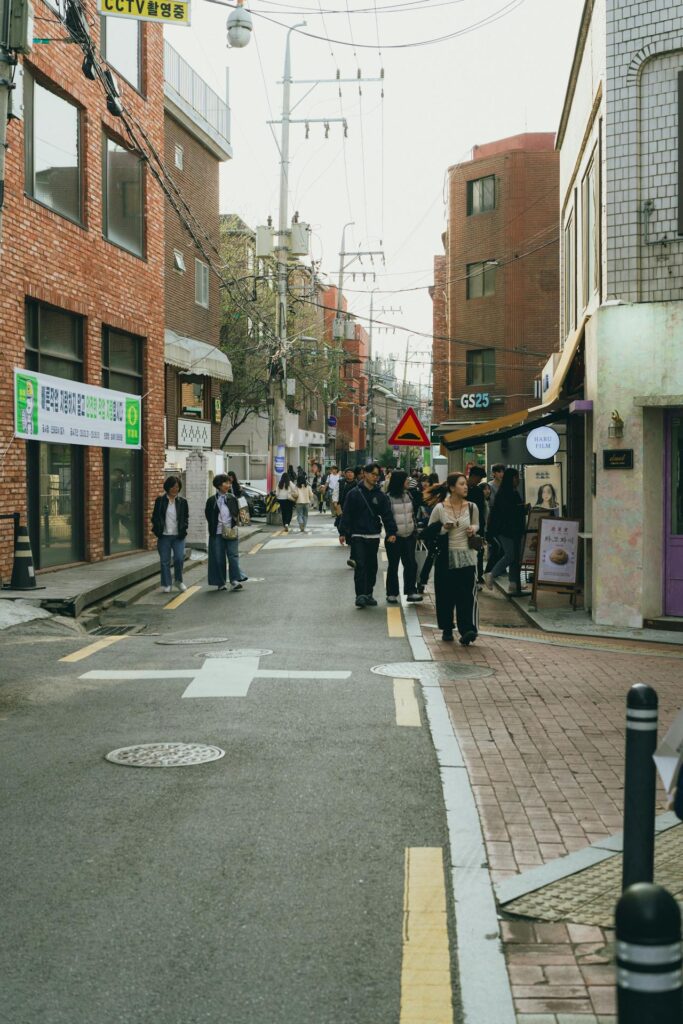
- Convenience stores (GS25, CU, 7-Eleven)
- Supermarkets (E-Mart, Homeplus)
- Local grocery stores
Useful phrases:
- “일반 쓰레기 봉투 있어요?” (Do you have general waste bags?)
- “음식물 쓰레기 봉투 있어요?” (Do you have food waste bags?)
Disposal Times and Locations
When to dispose:
- Disposal hours: 8:00 PM – midnight (토요일 제외 – Saturday excluded)
- Collection typically occurs after sundown until 5:00 AM the next day
Where to dispose:
- Apartments: Designated disposal rooms (often in basement)
- Villas/Houses: Specific corner near your building or spot marked by yellow/green mesh nets
- Officetels: Check with building management
Important: Disposal times and locations vary by district — check your district website or ask your landlord.
Penalties for Non-Compliance (Recycling in Seoul)
Violations of disposal time, location, or improper sorting can result in fines up to ₩1,000,000.
Specific violations like disposing before designated times or placing waste on the street (rather than in front of your building) result in fines of ₩100,000 (first offense) to ₩300,000 (third offense).
Common violations:
- Using wrong district bags
- Not separating waste properly
- Disposing outside designated times
- Leaving trash in wrong location
- Not cleaning recyclables
Common Mistakes to Avoid
- Not rinsing recyclables: Food-contaminated items will be rejected
- Throwing bones in food waste: All bones go in general waste
- Using wrong bags: Bags must match your district
- Disposing too early: Morning disposal can result in fines
- Not removing labels from bottles: Labels must be separated from containers
Housing Type Differences (Recycling in Seoul)
Apartments (아파트):
- 24/7 access to disposal areas
- Clear signage
- Often have RFID systems
Villas/Studios (빌라/원룸):
- Scheduled disposal times (specific days and hours)
- Outdoor disposal
- Failure to follow schedules may result in uncollected trash or warning notices
Important 2026 Update
Starting in 2026, direct landfilling of volume-based waste (종량제 봉투) is prohibited in the Seoul metropolitan area. Waste must be incinerated or recycled before any residual material can be landfilled.
Final Tips for Success
- Ask questions: Your landlord or building manager knows specific rules for your area
- Observe neighbors: See where and when they dispose of waste
- Check district websites: Rules vary by district
- Start small: Buy smaller food waste bags (2-3L) to avoid odors
Conclusion
Seoul’s recycling system is logical and well-organized once you understand the requirements. Following these guidelines will help you avoid fines, respect your community, and contribute to Korea’s environmental efforts. Proper waste sorting is an essential part of daily life in Seoul.
:: Check out other posts ::