Korean Comfort Foods in Netflix’s “The Price of Confession”: Jjapagetti and Janchi Guksu Explained
Netflix’s latest Korean thriller “The Price of Confession” (자백의 대가) has captivated audiences worldwide since its December 5, 2025 release.
Starring powerhouse actresses Jeon Do-yeon and Kim Go-eun, the series follows art teacher Ahn Yoon-soo, accused of murdering her husband, and the mysterious Mo-eun, who offers a dangerous deal.
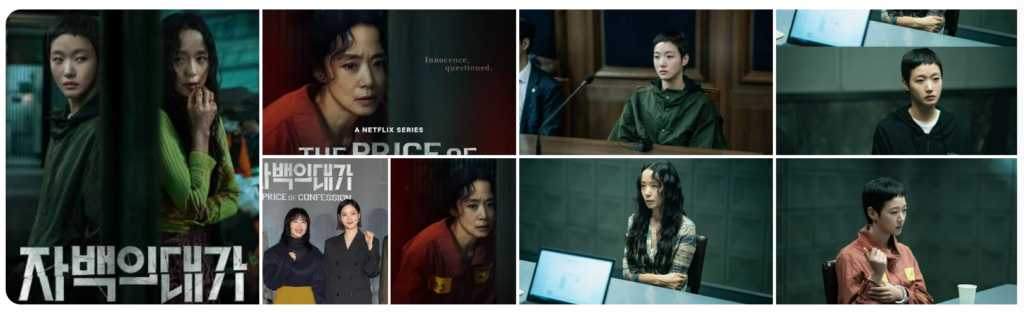
The show quickly rose to #1 on Netflix Korea within two days and secured the #2 spot globally for non-English series. Beyond its gripping mystery, the drama showcases authentic Korean food culture through intimate dining moments.
Korean Comfort Food Moments in Episode 4
Jjapagetti: A Nostalgic Home-Cooked Meal

In Episode 4, after Yoon-soo is released on bail and returns home, she reunites with a child from the orphanage she used to volunteer at. When the child asks for jjapagetti, Yoon-soo prepares the dish in her kitchen. This scene becomes a poignant moment where she recalls memories of her late husband.
What is Jjapagetti?
Jjapagetti is a beloved instant noodle brand in Korea, featuring thick, chewy noodles with a savory black bean sauce (chunjang). It’s Korea’s answer to Chinese-style jajangmyeon, but in convenient instant form. The dish represents comfort, home, and simple pleasures—making it the perfect choice for a reunion scene.
Ingredients typically include:
- Thick wheat noodles
- Black bean paste (chunjang)
- Vegetable flakes (cabbage, onion)
- Sweet-savory sauce seasoning
Janchi Guksu: Traditional Korean Noodles

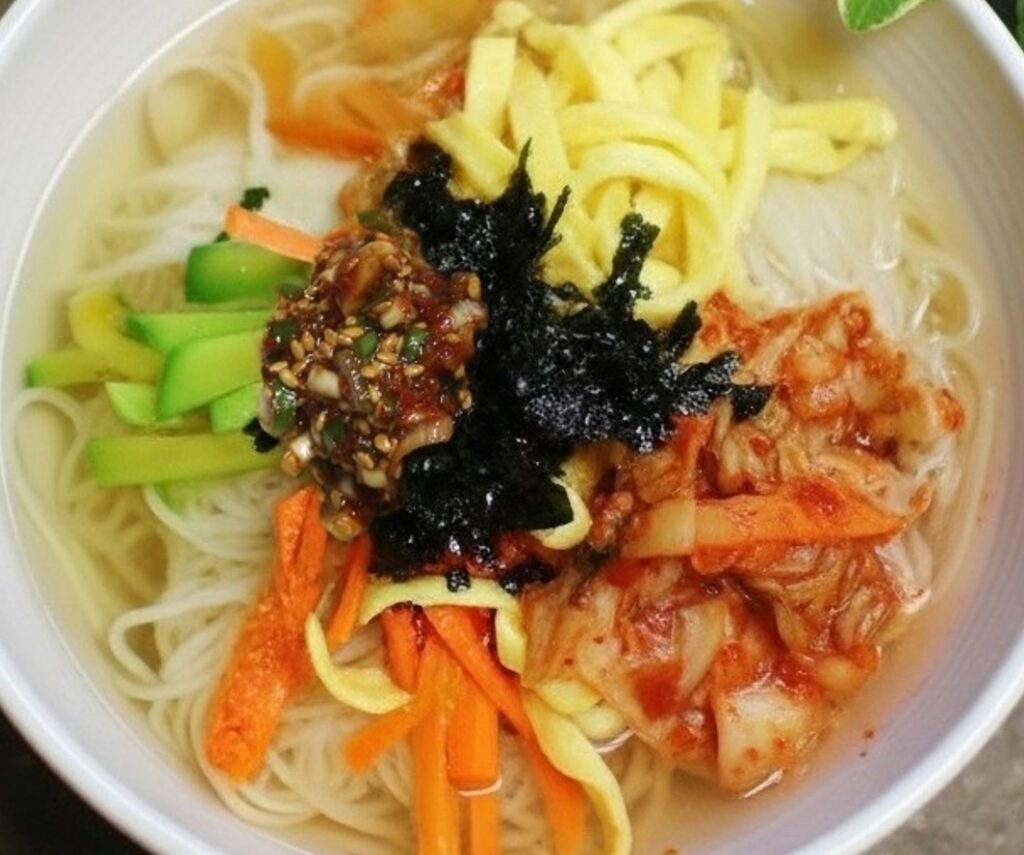
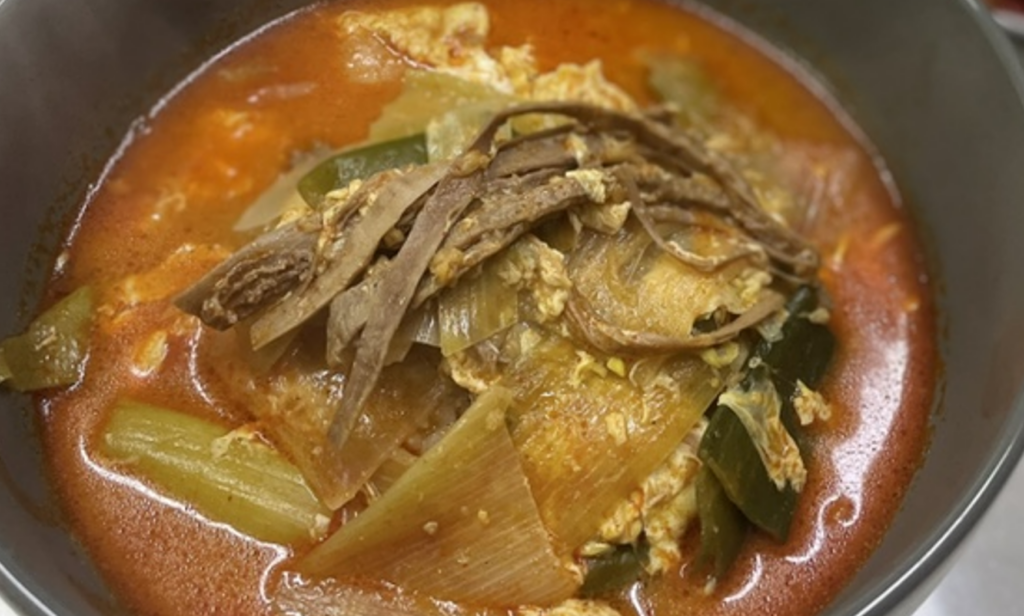
Later in Episode 4, prosecutor Baek Dong-hoon openly follows Yoon-soo, suspecting her guilt. They end up at a local restaurant together where he orders yukgaejang (spicy beef soup) while she chooses janchi guksu (banquet noodles). During the meal, when the prosecutor bluntly states he suspects her because he wants to, Yoon-soo abruptly leaves.
What is Janchi Guksu?
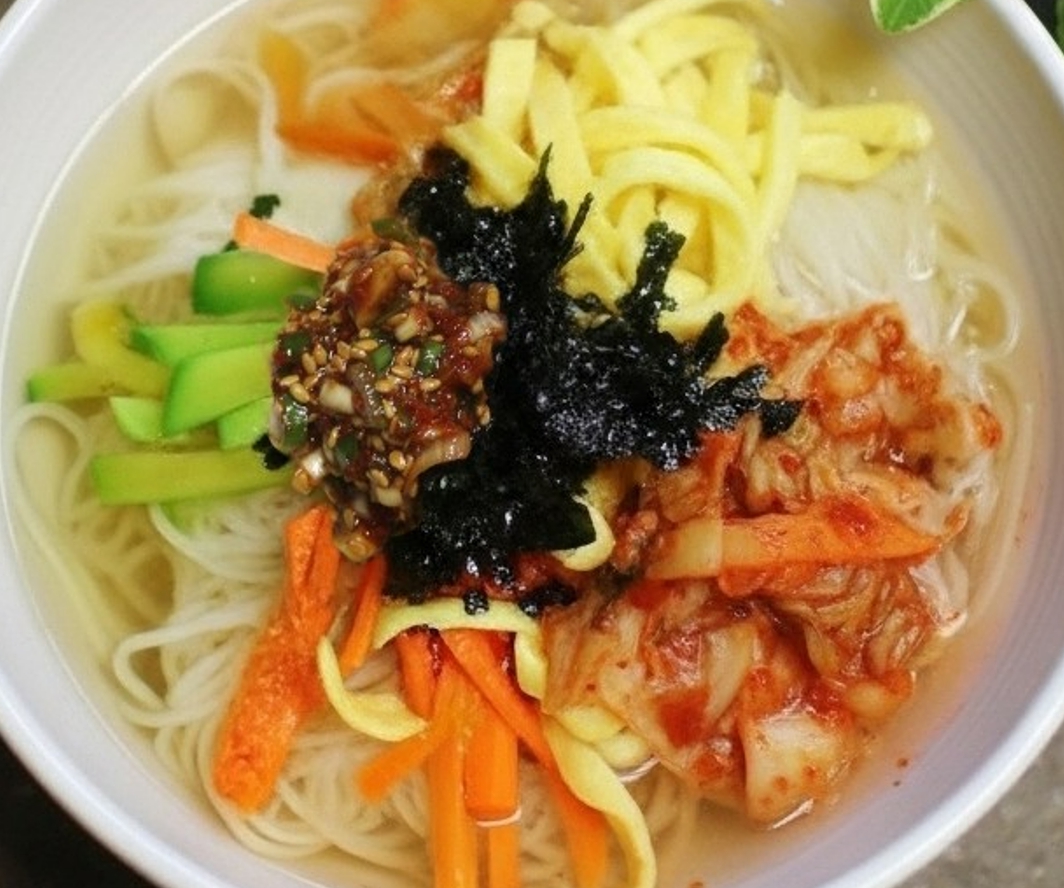
Janchi guksu literally means “banquet noodles” and is traditionally served at celebrations like weddings and birthdays. The dish features thin wheat noodles in a light anchovy or beef broth, topped with julienned vegetables, egg garnish, and seaweed.
Key characteristics:
- Thin somyeon noodles
- Clear, mild broth (anchovy or beef-based)
- Colorful vegetable toppings
- Symbol of longevity and good fortune
Why These Foods Matter
These dining scenes aren’t just filler—they reveal character and culture. Jjapagetti represents domestic warmth and nostalgia, while the restaurant scene with janchi guksu creates an uncomfortable intimacy between accuser and accused. The contrast between the prosecutor’s hearty, spicy yukgaejang and Yoon-soo’s simple, delicate janchi guksu mirrors their opposing positions.
Korean Food Culture in K-Dramas
Korean dramas frequently use food to develop emotional depth. Sharing meals signifies trust, cooking for someone shows care, and the type of food chosen reveals personality and circumstances. “The Price of Confession” continues this tradition, grounding its intense thriller plot in relatable, everyday Korean food culture.
For international viewers curious about Korean cuisine, these scenes offer authentic glimpses into what Koreans actually eat at home and in casual restaurants—not just the elaborate dishes seen in cooking shows.
:: Also about the Price of Confession ::
:: Check out other post ::
- Glass Hair: 3 K-Beauty Products for the Trend That Replaced Glass Skin (2026)
- The Complete Lady Dua Beauty Breakdown – 3 Lip Products, 1 Iconic Look
- Korea House Seoul: The Hidden Hanok Cafe Most Tourists in Subway line 3 Walk Right Past
- BLACKPINK × National Museum of Korea: The Collab That Changed K-Culture
- 13 Seoul R&B NAVY GLOW’s Seoul Night, Got Me In My Zone — A Trapsoul About Being a Foreigner





댓글 한 개
jhsketcher
Looks delicious!