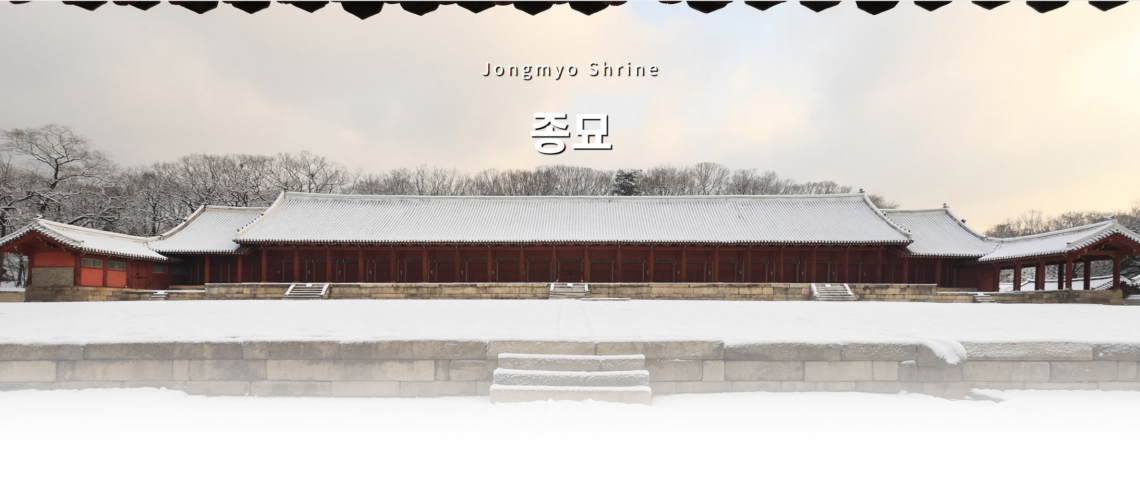
Jongmyo Shrine Mystery: Why is a Goryeo King in a Joseon UNESCO Site?
If you visit Seoul’s Jongmyo Shrine, you’ll likely be mesmerized by its minimalist architecture and the solemn spirits of the Joseon Dynasty.

But tucked away near the Mangmyo-ru pavilion lies a small, easily missed building that holds one of Korean history’s most fascinating puzzles: a memorial to King Gongmin of the Goryeo Dynasty.
Why is a king from a fallen dynasty being honored in the most sacred space of the family that overthrew him?
What is Jongmyo Shrine?
Designated as a UNESCO World Heritage Site in 1995, Jongmyo is the primary royal ancestral shrine of the Joseon Dynasty (1392–1910). It was built to house the spirit tablets of Joseon’s kings and queens.

However, there is one glaring exception: a shrine dedicated to King Gongmin (r. 1351–1374), the 31st ruler of the previous Goryeo Dynasty.
The Mystery of “Gongmin-wang Sindang”

Unlike the grand halls of Joseon monarchs, this small shrine—officially called Goryeo Gongmin-wang Yeongjong Bongan-jidang—contains something unique. Instead of the traditional wooden spirit tablets, it houses a rare portrait of King Gongmin and his wife, the Mongolian Princess Noguk, sitting together.
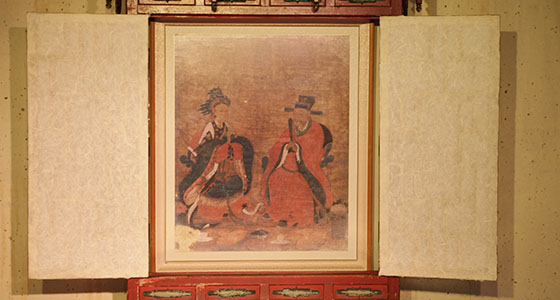

Legend says that during the construction of Jongmyo in 1395, a sudden, powerful gust of wind carried this portrait through the air and dropped it into the shrine grounds. Taking this as a divine omen, the founders of Joseon decided to build a shrine on that very spot to appease the king’s spirit.
Who Was King Gongmin?
King Gongmin was a tragic, visionary reformer who fought to restore Goryeo’s sovereignty from Mongol influence. He is equally famous for his eternal love for Queen Noguk. When she passed away during childbirth, the king’s grief was so profound that it is said he lost interest in ruling, eventually meeting a tragic end at the hands of his own guards.
Six Theories: Why Is He Here?
Historians still debate why the Joseon Dynasty—founded by Yi Seong-gye (King Taejo)—would include their predecessor here:
The Legend of the Omen: The portrait literally flew into the grounds, and the superstitious founders feared a curse if they ignored it.
The Loyalty Theory: Yi Seong-gye was once a general under King Gongmin and may have felt a deep personal debt to his former sovereign.
The Legitimacy Strategy: By honoring the last “great” king of Goryeo, the new Joseon Dynasty claimed they were the rightful successors to Goryeo’s legacy, not mere usurpers.
Political Reconciliation: It served as a symbolic olive branch to the remaining Goryeo loyalists to help stabilize the new kingdom.

A Shared Vision: Both Gongmin and Taejo were reformers who challenged the old, corrupt pro-Mongol factions.
Artistic Respect: King Gongmin was a gifted artist. The shrine also houses paintings of horses (Junma-do) said to be painted by the king himself, suggesting an appreciation for his cultural contributions.
Click the “Settings” (gear icon) at the bottom right of the video → Select “Subtitles/CC”→ Choose “Auto-translate”→ Select “English” (or your preferred language)
Historical Irony
There is a profound irony in standing before this shrine. Yi Seong-gye ended the Goryeo era to start a new world, yet he ensured that the memory of Goryeo’s most tragic king would live on in the heart of Joseon’s soul. It is a rare historical example of respect transcending revolution.
🏛️ Visiting Jongmyo Shrine: Practical Information

- Location: 157 Jong-ro, Jongno-gu, Seoul.
- Operating Hours: 09:00 AM – 05:30 PM (Last entry 1 hour before closing).
- Closed: Every Tuesday.
- How to Visit: * Weekdays: Guided tours only (Available in English, Korean, Japanese, and Chinese).
- Weekends/Public Holidays: Open for roaming (General admission).
- Note: The main “Jeongjeon” hall is currently undergoing phased restoration, so some views may be obstructed.
- Admission: 1,000 KRW (Adults 25–64). Free for those wearing Hanbok.
Your Turn: If you had just started a new country, would you honor the leader you replaced? Was it a calculated political move or a genuine act of respect? Share your theory in the comments!
:: Check out other articles ::
- Glass Hair: 3 K-Beauty Products for the Trend That Replaced Glass Skin (2026)
- The Complete Lady Dua Beauty Breakdown – 3 Lip Products, 1 Iconic Look
- Korea House Seoul: The Hidden Hanok Cafe Most Tourists in Subway line 3 Walk Right Past
- BLACKPINK × National Museum of Korea: The Collab That Changed K-Culture
- 13 Seoul R&B NAVY GLOW’s Seoul Night, Got Me In My Zone — A Trapsoul About Being a Foreigner


당신이 좋아할 만한
13 Seoul R&B NAVY GLOW’s Seoul Night, Got Me In My Zone — A Trapsoul About Being a Foreigner

DDP Design Store Seoul: 3 Things to Buy & How to Get There
